
Skin cancer diagnosis
Skin cancer is the most common tumour in the population. However, early diagnosis and a therapeutic approach adapted to each patient can give you a better prognosis, and even a cure, with the fewest possible complications.
Request an AssessmentSkin cancer diagnosis specialist
Dr. Moreno specialises in the diagnosis and treatment of skin cancer, with more than 20 years of experience in medical and surgical dermatology and a specific focus on the management of complex skin tumours, including melanoma and high-risk carcinomas.
His practice focuses on offering a personalised approach, combining diagnostic precision and advanced surgical techniques to optimise oncological and functional outcomes.
INITIAL ASSESSMENT
Tests for diagnosing skin cancer
The diagnosis of skin cancer may rely on different tests. Each provides different information and helps to determine more precisely the nature of the lesion and the most appropriate approach.
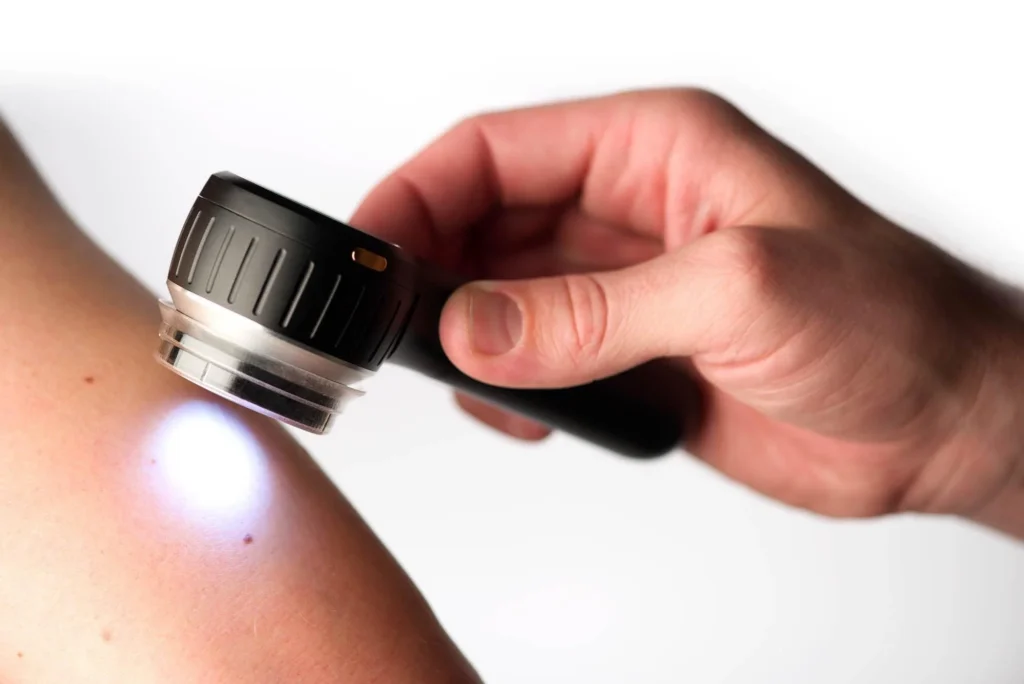
Dermoscopy
Although visual clinical examination by an experienced dermatologist is the first step towards early diagnosis, dermoscopy improves diagnostic accuracy and is an essential aid in deciding whether or not a lesion should be removed.
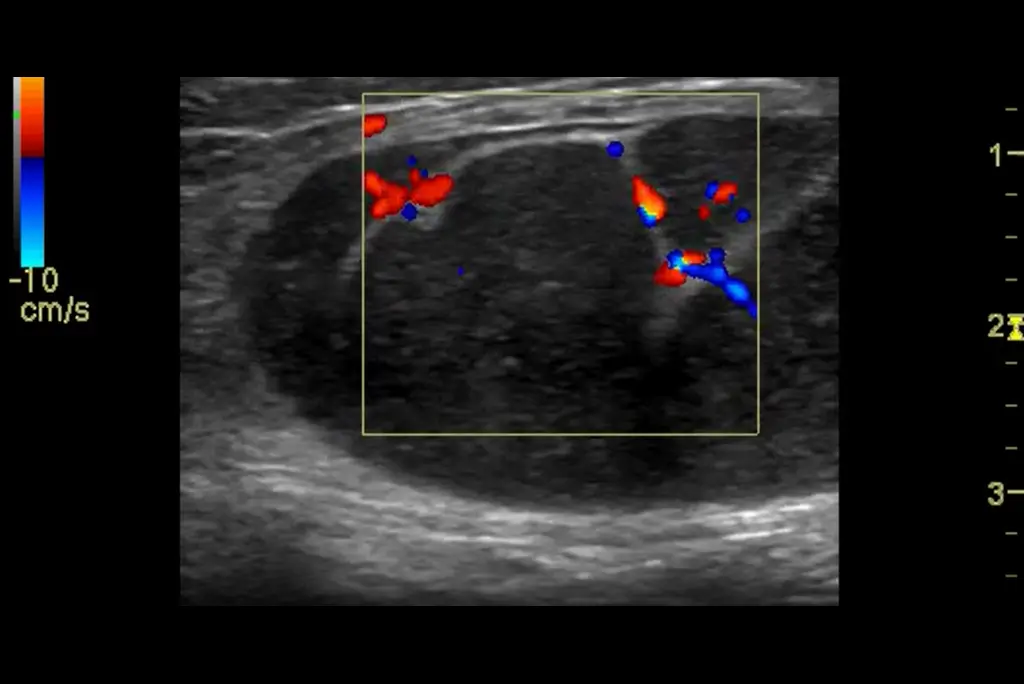
Ultrasound
A non-invasive technique that allows the skin lesion and, especially in patients with melanoma, the lymph nodes to be assessed during the consultation itself.
Ultrasound has become part of the routine examination in oncological and surgical dermatology.
Ultrasound has become part of the routine examination in oncological and surgical dermatology.
Biopsy
The definitive diagnosis of skin cancer is provided by the histopathological examination of a biopsy of all or part of the lesion.
In skin cancer, and especially in melanoma, it is essential for the biopsy to be assessed by a pathologist experienced in this type of tumour.
For both the analysis of tumour biopsies and Mohs surgery, Dr. Moreno works with a team of pathologists dedicated exclusively to dermatopathology and skin cancer.
CLASSIFICATION
Types of skin cancer
Not all skin cancers are the same. Knowing the type of tumour is essential to assess how it may behave and to determine the most appropriate treatment.
Cutaneous melanoma
It is the type of skin cancer most likely to spread to other organs, so its prognosis depends largely on early diagnosis.
It can sometimes begin as a mole that changes in appearance and size quickly.
Basal cell carcinoma
It is the most common type of skin cancer. It is very unlikely to spread to other organs, but it can grow slowly and cause local destruction if it is not diagnosed and treated early and appropriately.
It often appears as a small sore or lesion that does not heal.
Squamous cell carcinoma
It is characterised by its local aggressiveness and its ability to spread to other organs, although less often than melanoma.
In certain locations, such as the lower lip or the scalp, it may require aggressive surgery if it is not treated early.
Rare skin tumours
Other, less common types of tumour can appear on the skin. They can be aggressive and are usually diagnosed at advanced stages.
Notable among them are dermatofibrosarcoma protuberans and Merkel cell carcinoma.
SKIN CANCER SPECIALIST
Specialist experience in skin cancer diagnosis
Experience in oncological dermatology makes it possible to assess the diagnosis within the case as a whole, taking into account the type of tumour, its characteristics, its location and each patient's clinical situation.
This approach is especially relevant in complex or high-risk tumours, where the diagnosis shapes subsequent decisions about treatment and follow-up.
Dr. Moreno's experience in this field allows the diagnostic assessment to be combined with a broad view of skin cancer management, particularly in cases that require a more specialised assessment.
20+ years
of experience
Professor
of Dermatology
200+
publications
European guidelines
on skin cancer
What happens after diagnosis?
The next step is to assess the most appropriate treatment according to the type of tumour, its characteristics and each patient's situation.